
Date:2025-04-09 14:03:37 / Browse: 590
Choosing the healthiest water bottle depends on your priorities—whether you're looking to avoid specific chemicals, prevent bacterial growth, or ensure the water stays fresh.
Here is a breakdown of the top contenders for health and safety:
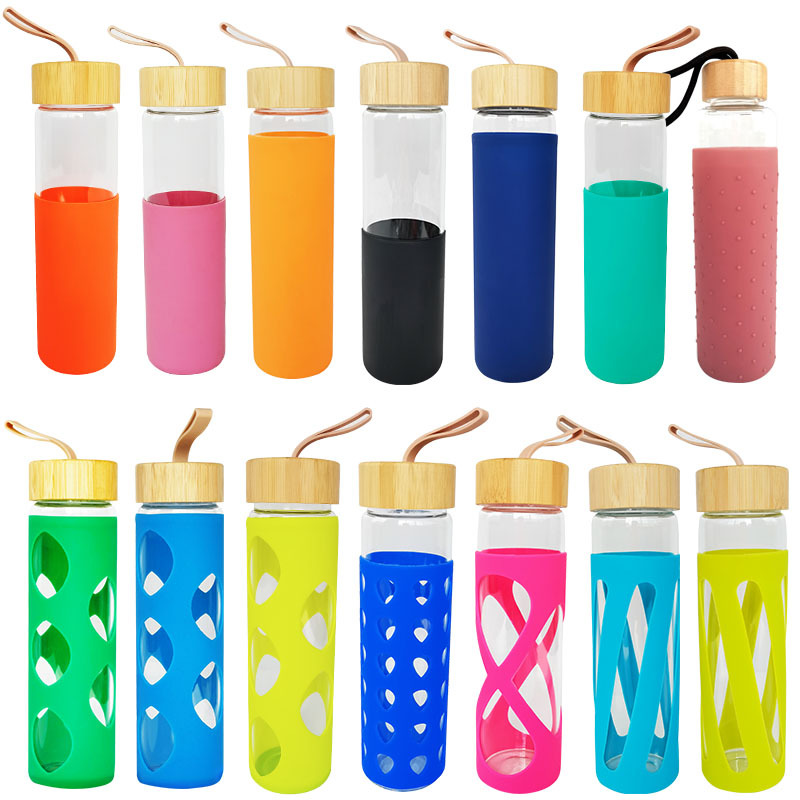
Glass is widely considered the healthiest material because it is chemically inert. It won't leach flavors or chemicals (like BPA, BPS, or phthalates) into your water, regardless of the temperature.
Pros: Purest taste; easy to clean; dishwasher safe.
Cons: Fragile (though silicone sleeves help); heavier than other options.
This is a specific type of glass (like Pyrex) that is resistant to thermal shock. It’s the healthiest choice if you frequently switch between ice-cold water and boiling tea.
Pros: Doesn't crack under extreme temperature changes; It stays new even after long times using; all the benefits of regular glass.
Cons: Still breakable.
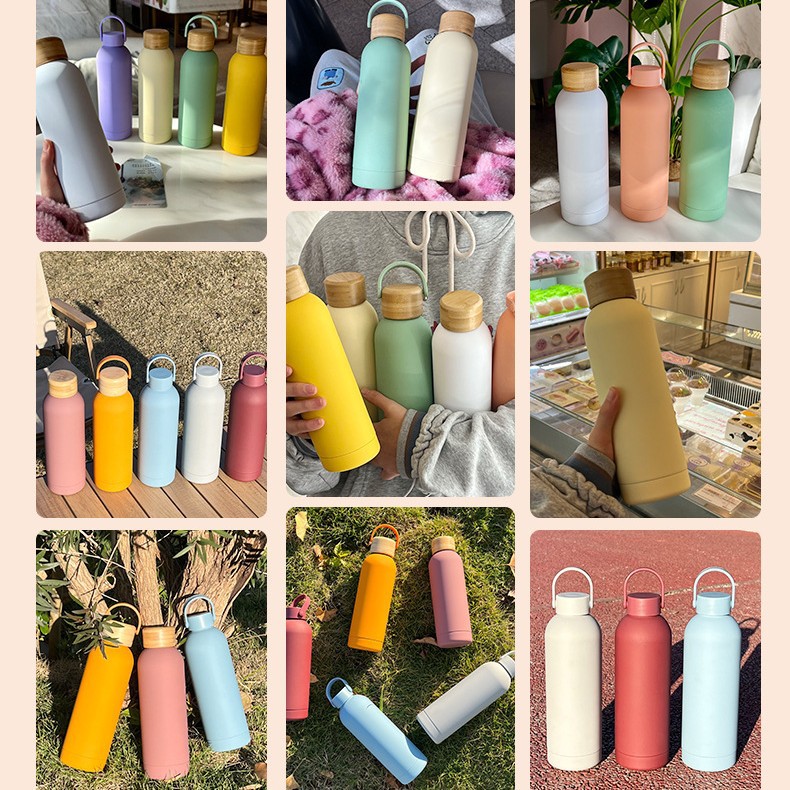
Specifically, look for 18/8 or 304-grade stainless steel. Like glass, it does not require a chemical liner and is generally non-reactive.
Pros: Extremely durable; vacuum-insulated options keep water cold for 24+ hours; BPA-free.
Cons: Can sometimes have a slight metallic taste if the steel is lower quality; can dent if dropped.
To keep your drinking habits healthy, try to steer clear of these:
Single-Use Plastics (PET/PETE): These are meant for one-time use. Reusing them can lead to the leaching of chemicals as the plastic degrades over time.
Scratched Plastic: If you use reusable plastic (even BPA-free), replace it if it becomes heavily scratched, as bacteria can hide in the grooves.
Aluminum with Liners: Aluminum itself is reactive, so these bottles are lined with a coating that often contains epoxy resins (which may contain BPA).
Feature | Glass | Stainless Steel | BPA-Free Plastic |
Chemical Leaching | Zero | Minimal to Zero | Low (but possible) |
Durability | Low | High | Medium |
Weight | Heavy | Moderate | Light |
Best For | Home/Office | Outdoors/Travel | Gym/Lightweight needs |

